Introduction
The fashion industry is one of the most influential sectors of the global economy, connecting creativity, business, culture, technology, and consumer behavior. From luxury fashion houses and international clothing brands to independent designers and online retailers, fashion continues to influence how people express their identities and respond to changing lifestyles.
However, the industry is experiencing significant changes. Digital shopping platforms, social media, artificial intelligence, sustainable manufacturing, and changing customer expectations are transforming how fashion products are designed, produced, marketed, and sold.
Consumers now have access to international fashion collections, emerging designers, and personalized shopping experiences through digital platforms. At the same time, brands face increasing pressure to improve product quality, communicate transparently, and reduce the environmental impact of clothing production.
Understanding these developments helps explain why the modern fashion industry is becoming more competitive, technology-driven, and focused on consumer preferences.
1. Digital Transformation Is Reshaping Fashion Businesses
Technology has changed almost every stage of the fashion business, from initial design concepts to final product delivery.
Fashion companies increasingly use digital tools to manage inventory, analyze customer preferences, coordinate suppliers, and improve sales operations. These systems help businesses respond more quickly to changing market demand.
Digital design software also allows designers to experiment with colors, patterns, materials, and clothing structures before producing physical samples. This can reduce development time and help teams collaborate more efficiently.
For established fashion houses and smaller clothing businesses, digital transformation is becoming an important part of maintaining competitiveness.
2. Social Media Has Changed How Fashion Trends Develop
Social media platforms have become powerful channels for discovering and promoting fashion trends. In the past, fashion trends were strongly influenced by magazines, runway shows, and major fashion houses. Today, digital creators, celebrities, online communities, and everyday consumers also influence what people wear.
Platforms such as Instagram, TikTok, Pinterest, and YouTube allow fashion brands to showcase collections and connect directly with potential customers.
Fashion influencers often introduce new styling ideas, clothing combinations, accessories, and emerging labels to their audiences. A product featured in a popular video can attract significant attention within a short period.
Social media has also made fashion more interactive. Customers can share outfit ideas, review products, participate in discussions, and provide feedback directly to brands.
However, trends can change quickly, making it difficult for businesses to maintain consistent demand. Brands need to balance short-term popularity with long-term product value.
3. Artificial Intelligence Is Influencing Fashion Design
Artificial intelligence is becoming an important tool in fashion research, product development, and retail operations.
Fashion companies can use AI-powered systems to analyze customer preferences, identify emerging patterns, and forecast potential demand. These insights can help businesses make more informed decisions about collections and inventory.
AI tools are also being explored for creative applications, including design inspiration, digital styling, product recommendations, and virtual fashion presentations.
For example, an online fashion retailer may use recommendation technology to suggest clothing based on a customer’s browsing history or previous purchases.
Although these technologies can improve efficiency, human creativity remains central to fashion design. Designers still make important decisions about aesthetics, cultural influences, materials, and the identity of a collection.
4. Sustainable Fashion Is Becoming a Major Industry Priority
Sustainability has become one of the most discussed issues in the modern fashion industry. Clothing production can involve significant resource consumption, transportation emissions, chemical processing, and textile waste.
The growth of fast fashion has also raised concerns about overproduction and the disposal of clothing that is rarely worn.
In response, some brands are exploring more responsible production methods. These include using recycled materials, improving manufacturing efficiency, developing longer-lasting products, and reducing unnecessary packaging.
Consumers are also showing interest in clothing that offers durability and better information about how products are manufactured.
Important developments in sustainable fashion include:
- Recycled and lower-impact textiles
- Repair and clothing resale services
- More durable clothing designs
- Improved supply chain transparency
- Reduced packaging waste
- Responsible material sourcing
Sustainability claims should be supported by clear evidence. Businesses need to avoid misleading environmental marketing and provide accurate information about their products.
5. Online Fashion Shopping Is Expanding Global Markets
E-commerce has created new opportunities for fashion brands by allowing them to reach customers without depending entirely on physical stores.
Online fashion retailers provide access to clothing collections, accessories, footwear, and international brands through websites and mobile applications.
Customers can compare prices, read reviews, explore product photographs, and place orders from their homes.
Digital platforms have also made it easier for smaller fashion businesses to establish an online presence and reach customers in different regions.
However, online fashion shopping comes with challenges. Customers cannot physically examine fabric quality, test clothing sizes, or assess how a product fits before purchasing.
To improve customer confidence, retailers need accurate size charts, detailed product descriptions, realistic photographs, transparent delivery information, and clear return policies.
6. Personalization Is Changing the Fashion Shopping Experience
Modern consumers increasingly expect shopping experiences that reflect their individual preferences.
Fashion retailers are using customer data and digital recommendation systems to make product discovery more relevant. Personalized suggestions may be based on browsing behavior, previous purchases, preferred styles, and selected sizes.
Some platforms also provide digital styling tools that help customers explore different clothing combinations.
Personalization can benefit both consumers and businesses. Customers may find relevant products more easily, while retailers can improve engagement and customer satisfaction.
However, companies must handle personal information responsibly. Data collection should be transparent, secure, and consistent with applicable privacy requirements.
7. Fast Fashion and Its Impact on the Market
Fast fashion refers to a business model that focuses on producing and selling clothing inspired by current trends at relatively low prices and short production cycles.
This model has made fashionable clothing more accessible to many consumers. It has also contributed to concerns about excessive consumption, textile waste, labor conditions, and environmental pressure.
The rapid introduction of new collections can encourage consumers to purchase clothing more frequently than necessary.
As awareness grows, some shoppers are reconsidering their buying habits and paying more attention to quality, durability, and responsible manufacturing.
Fashion businesses face an important challenge: responding to demand for affordable products while improving their production and supply chain practices.
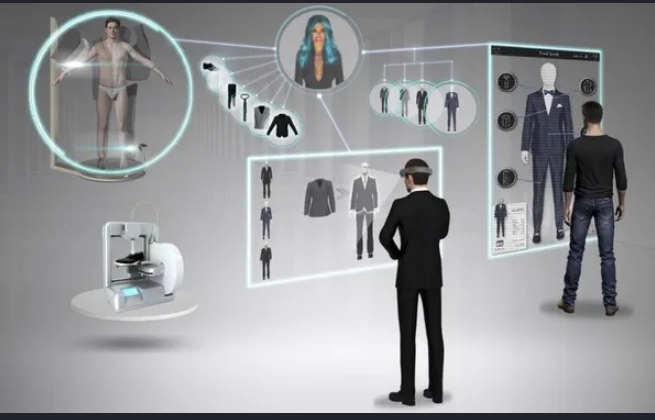
8. Virtual Fitting Rooms Are Improving Online Retail
One of the biggest challenges in online fashion shopping is uncertainty about clothing sizes and appearance.
Virtual fitting room technology aims to address this issue by allowing customers to explore how clothing may look on different body types or digital representations.
Some retailers use augmented reality and 3D visualization to provide interactive product experiences. Customers may be able to preview accessories, eyewear, or selected clothing items through digital interfaces.
These tools can make online shopping more engaging and may help reduce uncertainty before purchasing.
However, virtual fitting technology is not perfect. Accuracy depends on the quality of product measurements, software capabilities, and the information provided by users.
Retailers still need reliable sizing information and fair return policies.
9. Global Fashion Brands Are Facing Changing Consumer Expectations
International fashion brands operate in an increasingly competitive marketplace. Consumers have access to a wide range of local and international alternatives, making brand loyalty more difficult to maintain.
Modern customers often consider several factors before purchasing clothing, including price, design, quality, comfort, brand reputation, and environmental practices.
Younger consumers may also pay attention to how brands communicate online and whether their products reflect current cultural and lifestyle preferences.
Brands are responding through digital campaigns, collaborations, limited collections, and more direct customer engagement.
However, strong branding requires more than attractive advertising. Consistent product quality, customer service, and trustworthy communication remain important for long-term success.
10. The Role of Fashion Weeks and Global Designers
Fashion weeks remain important events for the international fashion industry. Cities such as Paris, Milan, London, and New York regularly host major fashion events that introduce new collections and creative directions.
These events bring together designers, retailers, journalists, buyers, models, and industry professionals.
Fashion weeks provide designers with opportunities to present their creative work and build relationships with potential business partners.
Although digital platforms have expanded access to fashion presentations, physical runway events continue to play an important role in brand positioning and industry networking.
The influence of fashion weeks also extends beyond luxury clothing. Designs and styling ideas introduced at major events can influence retail collections and wider consumer trends.
11. Career and Business Opportunities in the Fashion Industry
The fashion industry offers opportunities across creative, commercial, and technological fields.
People interested in fashion do not necessarily need to become clothing designers. The industry also requires professionals who understand business operations, marketing, retail management, manufacturing, and digital technology.
Some important career and business opportunities include:
- Fashion design and product development
- Fashion photography and styling
- Clothing manufacturing
- E-commerce management
- Fashion marketing and public relations
- Textile research and development
- Retail and brand management
- Fashion content creation
- Sustainable fashion consulting
Digital platforms have also created opportunities for independent designers and small clothing businesses to develop their own brands and reach customers internationally.
12. What Is the Future of the Fashion Industry?
The future of fashion will likely be shaped by a combination of technological innovation, changing consumer expectations, and more responsible production practices.
Artificial intelligence may support trend analysis and product recommendations, while 3D design tools could make product development more efficient. Digital retail experiences may also become more interactive through augmented reality and virtual fitting technologies.
Sustainability is expected to remain an important issue as businesses face growing attention to textile waste, resource use, and supply chain transparency.
At the same time, consumers will continue to value personal style, comfort, quality, and affordability.
Fashion brands that combine creative design with reliable business practices and useful technology will be better positioned to compete in the evolving global marketplace.
Final Thoughts
The fashion industry is changing beyond clothing design and seasonal trends. Technology, social media, e-commerce, sustainability, and personalized shopping are transforming how brands connect with customers and manage their businesses.
These developments are creating opportunities for established companies, independent designers, retailers, and new entrepreneurs. However, long-term success will depend on understanding consumer expectations, maintaining product quality, and responding responsibly to industry challenges.
As fashion continues to evolve, the most successful businesses will likely be those that balance creativity, innovation, commercial strategy, and customer trust.
About the Author